


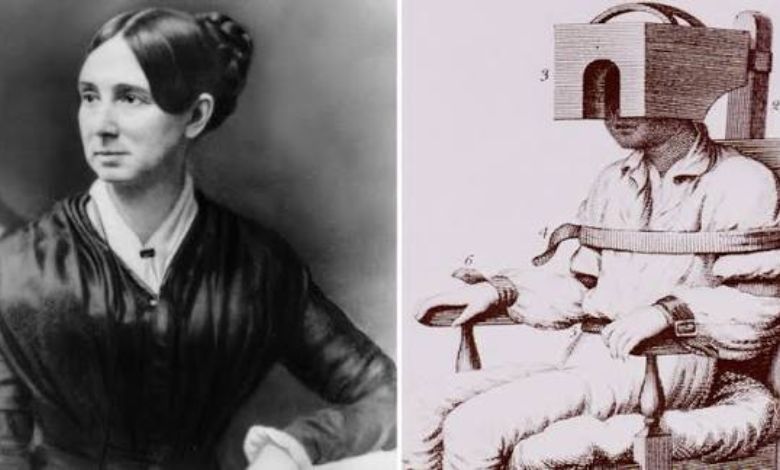
Dorothea Dix was an American educator, writer, social reformer, and advocate for people with mental illness. Born in 1802, she became one of the most influential figures in nineteenth-century efforts to improve conditions in prisons, almshouses, and psychiatric institutions.
Dorothea Dix investigated facilities where people with mental illness were confined, documented neglect and abuse, and presented her findings to lawmakers. Her campaigns contributed to the establishment or expansion of numerous hospitals in the United States and abroad.
During the American Civil War, she served as Superintendent of Army Nurses for the Union Army. In that position, she recruited and assigned thousands of women to military hospitals. Her work influenced the development of public mental health care and expanded women’s participation in organized wartime nursing.
Profile Summary
| Field | Details |
|---|---|
| Full Name | Dorothea Lynde Dix |
| Known As | Dorothea Dix |
| Profession | Social reformer, educator, writer, and nursing administrator |
| Date of Birth | April 4, 1802 |
| Birthplace | Hampden, Maine |
| Birth Sign | Aries |
| Nationality | American |
| Known For | Mental health reform and Civil War nursing leadership |
| Civil War Position | Superintendent of Army Nurses |
| Date of Death | July 17, 1887 |
| Age at Death | 85 |
| Place of Death | Trenton, New Jersey |
| Burial Place | Mount Auburn Cemetery, Cambridge, Massachusetts |
| Notable Honor | Featured on a one-cent United States postage stamp in 1983 |
Early Life and Background
Dorothea Lynde Dix was born on April 4, 1802, in Hampden, an area of Massachusetts that later became part of Maine. She was the eldest of three children.
Historical accounts describe her childhood as difficult. Her father struggled with alcoholism, and Dix assumed responsibilities for her younger brothers at an early age. She eventually left her parents’ household and lived with relatives, including her grandmother in Boston.
Dorothea Dix received an education that was more extensive than many girls had access to during the early nineteenth century. As a teenager, she began teaching and established a small school for girls. She later taught children from both wealthy and lower-income families.
Her early career also included writing. She produced educational and religious books, including Conversations on Common Things, a work designed to provide young readers with practical knowledge.
Periods of poor health interrupted her teaching career. During a stay in Europe, she met people involved in education and social reform. These experiences broadened her awareness of institutional care and public welfare.
Career and Professional Journey
Beginning of Her Mental Health Advocacy
Dorothea Dix’s career changed significantly in 1841 when she agreed to teach a Sunday school class for women held at the East Cambridge jail in Massachusetts.
During the visit, she observed that people with mental illness were being confined alongside prisoners in poorly heated and inadequate conditions. The experience prompted her to investigate other jails, almshouses, and facilities throughout Massachusetts.
Dorothea Dix traveled extensively and recorded what she observed. Her reports described overcrowding, insufficient clothing, physical restraint, inadequate sanitation, and a lack of appropriate medical care.
Rather than relying only on public speeches, she compiled evidence and presented formal written appeals, known as memorials, to state legislatures. Her approach combined direct observation, detailed documentation, and political advocacy.
Massachusetts Reform Campaign
In 1843, Dix submitted a memorial to the Massachusetts Legislature describing the treatment of people with mental illness in the state’s institutions. She argued that those individuals required humane care and proper medical facilities rather than imprisonment or neglect.
Her campaign contributed to increased funding for the expansion of Worcester State Hospital. The result established a model that Dix later used in other states.
She continued traveling across the country, inspecting institutions and urging lawmakers to provide public funding for psychiatric hospitals. Her efforts affected policy in states including New Jersey, Pennsylvania, North Carolina, Illinois, and Rhode Island.
Dorothea Dix is often credited with helping to establish or expand more than 30 institutions for people with mental illness. She did not personally operate all of these hospitals, but her investigations and legislative campaigns played an important role in securing support for them.
Federal Mental Health Proposal
Dix also pursued reform at the federal level. She supported legislation that would have granted federal land to the states, with proceeds used to finance care for people with mental illness and intellectual disabilities.
Congress passed the proposal in 1854. President Franklin Pierce vetoed it, arguing that responsibility for social welfare should remain with state governments rather than the federal government.
Although the veto was a major setback, Dix continued her advocacy. She also traveled in Europe and Canada, where she inspected institutions and encouraged improvements in patient care.
Her work contributed to the creation of the Government Hospital for the Insane in Washington, D.C. The institution opened in 1855 and later became known as St. Elizabeths Hospital.
Also Read: Who Was Melvin Belli? “King of Torts,” Celebrity Lawyer, and Author
Civil War Nursing Leadership
When the American Civil War began in 1861, Dix offered her services to the Union government. She was appointed Superintendent of Army Nurses, becoming one of the most prominent women in the Union’s medical administration.
Dorothea Dix was responsible for recruiting, screening, and assigning female nurses to military hospitals. She established strict requirements for applicants, including expectations concerning age, clothing, conduct, and personal appearance.
Her standards reflected contemporary beliefs about discipline and respectability, although some of the requirements were controversial. She generally preferred mature women who would be viewed as serious and unlikely to distract soldiers or military staff.
Under her administration, approximately 3,000 women served as Union Army nurses. Dix also worked to obtain medical supplies and improve the organization of hospital care.
Her authority was not always clearly defined. She experienced disagreements with military surgeons and hospital administrators who resisted supervision by a woman or objected to her recruitment policies.
Despite these challenges, her service helped expand the accepted role of women in military medicine. She remained in the position until the end of the war in 1865.
Later Years
After the Civil War, Dix returned to mental health advocacy. She continued visiting hospitals, corresponding with public officials, and supporting institutional reforms.
Her health declined during her later years. She eventually lived in private quarters at the New Jersey State Hospital in Trenton, an institution whose establishment she had helped promote.
Dorothea Dix died in Trenton on July 17, 1887. She was 85 years old. She was buried at Mount Auburn Cemetery in Cambridge, Massachusetts.
Major Achievements and Recognition
Reform of Mental Health Institutions
Dix’s most important achievement was bringing public and legislative attention to the treatment of people with mental illness. Before her campaigns, many individuals were confined in prisons or poorhouses without specialized care.
Her investigations helped establish the principle that governments had a responsibility to provide appropriate treatment. Through legislative testimony and persistent lobbying, she influenced the development and expansion of psychiatric hospitals across the United States.
Her reform model depended heavily on large public institutions. Later generations identified serious problems within many state hospitals, including overcrowding and inadequate treatment. Those later failures do not erase Dix’s original objective of replacing imprisonment, neglect, and physical abuse with organized care.
Advancement of Women in Nursing
As Superintendent of Army Nurses, Dix helped create opportunities for women to participate formally in military medical service.
The women she recruited worked in difficult conditions, treating wounded and ill soldiers in hospitals affected by shortages, disease, and rapidly changing military demands. Their service contributed to the broader professionalization of nursing in the United States.
Dix’s position also demonstrated that women could manage large public-service operations, even within a military system traditionally controlled by men.
Legislative and Institutional Influence
Dix influenced state and federal discussions about mental health policy. Her written memorials provided lawmakers with detailed evidence about conditions that were often hidden from the public.
Her advocacy was associated with institutions in multiple states, as well as the federal psychiatric hospital in Washington, D.C. She also encouraged reforms outside the United States through inspections and communication with public authorities.
Postal Service Recognition
In 1983, the United States Postal Service issued a one-cent stamp featuring Dorothea Dix as part of its Great Americans series.
The stamp recognized her contributions to mental health reform and public service nearly a century after her death. It reflected her continuing importance in the history of American social welfare and nursing.
Also Read: Who Is Hugo Aveiro? Cristiano Ronaldo’s Brother, Age, Recovery, and Life Story
Frequently Asked Questions
Who was Dorothea Dix?
Dorothea Dix was an American educator, writer, and social reformer. She is best known for investigating conditions in prisons and almshouses and campaigning for more humane treatment of people with mental illness.
What did Dorothea Dix do for mental health care?
Dix inspected institutions, documented mistreatment, and presented evidence to state legislatures. Her advocacy contributed to the creation or expansion of more than 30 hospitals and helped establish mental health care as a public responsibility.
What was Dorothea Dix’s role during the Civil War?
Dix served as Superintendent of Army Nurses for the Union Army from 1861 to 1865. She recruited, selected, and assigned thousands of women to work as nurses in military hospitals.
Did Dorothea Dix establish the first mental asylum in America?
Dix did not establish the first American psychiatric hospital. Mental health institutions existed before her reform career. However, she played a major role in expanding state-supported hospitals and improving public awareness of institutional conditions.
How old was Dorothea Dix when she died?
Dorothea Dix was 85 years old when she died on July 17, 1887, in Trenton, New Jersey. She had remained connected to mental health reform efforts into her later years.
Conclusion
Dorothea Dix was a central figure in the development of American mental health reform. Beginning as a teacher and writer, she redirected her career after witnessing the treatment of people with mental illness in a Massachusetts jail.
Her investigations, written reports, and legislative campaigns influenced the establishment and expansion of psychiatric hospitals across the United States. During the Civil War, she also supervised the recruitment and assignment of thousands of women who served in Union military hospitals.
Dix worked within the institutional assumptions of the nineteenth century, and the hospital system she promoted later developed significant problems. Nevertheless, her efforts challenged the imprisonment and neglect of vulnerable people and established mental health treatment as an issue requiring public attention and government action. Her influence remains significant in the histories of social reform, nursing, and mental health policy.

2 Comments
Pingback: Who Is Conner Leavitt? Whitney Leavitt’s Husband, Family, and TikTok Career
Pingback: Kelly Berger Biography: Age, Lacrosse Career, Team USA, and Achievements